

Global trade 2025 is no longer shaped by efficiency alone. After decades of hyper-globalisation built around cost optimisation and just-in-time delivery, the world is witnessing a fundamental reordering of how goods move across borders. Supply chains that once stretched seamlessly across continents are now being shortened, diversified, or redesigned altogether.
This transformation is not the result of a single crisis. Instead, it reflects a convergence of geopolitical tensions, wars, climate disruptions, technological change, and growing economic nationalism. Together, these forces are rewriting the rules of global commerce.
Why global trade is under pressure in 2025
The strain on global trade in 2025 stems from prolonged instability rather than sudden shocks. The COVID-19 pandemic exposed vulnerabilities in global supply chains, but the aftershocks have continued well beyond public health concerns.
Rising geopolitical rivalry, sanctions, export controls, and conflict-related disruptions have created an environment where predictability is increasingly rare. Businesses and governments now prioritise resilience and security alongside cost, reshaping trade decisions at every level.
From globalisation to strategic diversification
For decades, global trade was driven by the logic of maximum efficiency. Production was concentrated in regions offering the lowest costs, with little consideration for political risk. That model is rapidly giving way to strategic diversification.
Companies are no longer seeking a single cheapest supplier. Instead, they are spreading production across multiple countries to reduce dependency on any one region. This shift marks a clear departure from traditional globalisation and reflects a more cautious approach to global trade 2025.
RECOMMENDED STORIES
- Job Creation in India: How Startups Are Building New Opportunities
- Youth Unemployment in India
- Jobs at Risk Due to AI
The impact of wars and regional conflicts
Armed conflicts have become a major factor reshaping global trade. The war in Ukraine disrupted energy supplies, grain exports, and fertiliser markets, affecting food security far beyond the region. The Gaza conflict and broader instability in the Middle East have raised risks along critical maritime routes.
These conflicts have highlighted how geopolitical events can quickly spill into economic systems. Insurance costs, shipping delays, and rerouted cargo have become routine challenges, adding friction to global trade flows.
Red Sea, Suez, and maritime chokepoints
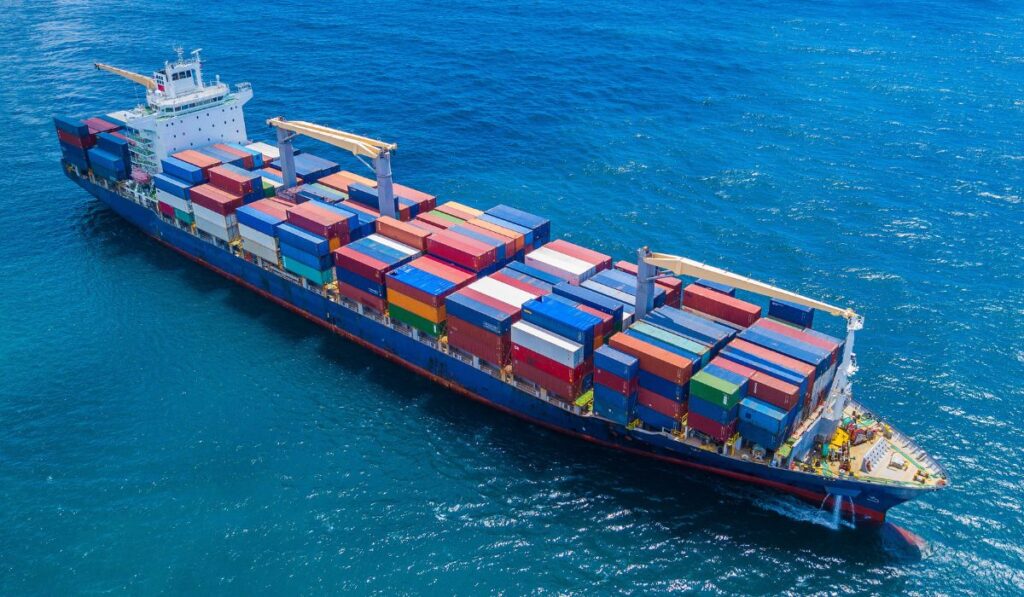
Maritime chokepoints play a crucial role in global trade 2025. The Red Sea and the Suez Canal, through which a significant share of global shipping passes, have emerged as major vulnerability points.
Security threats in these regions have forced shipping companies to reroute vessels around longer paths, increasing transit times and fuel costs. These disruptions underscore how concentrated infrastructure can magnify global economic risks.
US–China tensions and trade realignment
The relationship between the United States and China remains one of the most influential factors in global trade. Tariffs, technology restrictions, and strategic competition have reduced bilateral trade growth and encouraged realignment.
Companies dependent on Chinese manufacturing are increasingly exploring alternatives in Southeast Asia, South Asia, and Latin America. This gradual decoupling does not mean the end of China’s role in global trade, but it does signal a shift toward a more fragmented trading system.
Europe’s economic slowdown and trade impact
Europe’s slowing economic growth has also affected global trade in 2025. Weak demand, energy costs, and fiscal pressures have reduced import volumes and altered trade patterns.
At the same time, European policymakers are pushing for greater strategic autonomy in areas such as energy, technology, and defence. These policy choices influence trade flows and reinforce the move away from dependence on external suppliers.
The rise of nearshoring and friend-shoring
Nearshoring and friend-shoring have become defining features of global trade restructuring. Nearshoring brings production closer to consumer markets, while friend-shoring prioritises trade with politically aligned countries.
This trend reflects a growing belief that supply chains should align with geopolitical relationships. While this approach may improve resilience, it also risks reducing efficiency and raising costs, particularly for developing economies reliant on export-led growth.
Technology, automation, and logistics
Technology is reshaping global trade alongside geopolitics. Automation, artificial intelligence, and digital logistics platforms are changing how goods are produced, tracked, and delivered.
Advanced analytics improve supply chain visibility, allowing firms to respond more quickly to disruptions. At the same time, automation reduces labour dependency in manufacturing, influencing where production is located and how trade networks are organised.
Impact on developing economies
For developing economies, the transformation of global trade 2025 presents both opportunities and risks. Countries that can position themselves as reliable alternatives in diversified supply chains may benefit from new investment.
However, heightened trade barriers and selective integration could exclude nations lacking infrastructure, skills, or political alignment. The challenge lies in adapting to a world where openness alone no longer guarantees participation in global trade.
What global businesses are changing
Multinational companies are rethinking supply chain design, inventory management, and sourcing strategies. Many are holding higher inventories to guard against disruptions, reversing decades of lean supply practices.
Contracts now include risk-sharing clauses, and supply chain resilience has become a board-level concern. These changes reflect a new mindset where stability and continuity outweigh marginal cost savings.
Risks to growth and inflation
The reconfiguration of global trade has macroeconomic consequences. Higher production costs, longer supply routes, and duplicated capacity can contribute to inflationary pressures.
At the same time, reduced trade integration may slow global growth by limiting efficiency gains. Policymakers face the challenge of balancing resilience with affordability in a more fragmented trading environment.
Conclusion: a more fragmented trading world
Global trade 2025 marks a turning point rather than a temporary disruption. The era of frictionless globalisation is giving way to a more cautious, fragmented system shaped by politics, security, and technology.
While this transition may improve resilience, it also introduces new costs and inequalities. The future of global trade will depend on how effectively nations and businesses manage these trade-offs—adapting to a world where stability matters as much as scale.
[…] Global Trade 2025: Why Supply Chains Are Being Rewritten […]